

Soft skills are essential for career success in any field. They are the interpersonal attributes that enable you to interact effectively with others in the workplace. Developing these skills can give you a competitive edge and help you excel in your career. In this article, we will explore the top 44 essential soft skills you need to succeed in your professional journey.
Key Takeaways
- Soft skills are crucial for career advancement and success in all professions.
- Developing soft skills can set you apart from other candidates and enhance your professional capabilities.
- Effective communication is a key soft skill that is essential in every career path.
- Adaptability and resilience are important soft skills that help individuals navigate challenges and changes in the workplace.
- Leadership and teamwork are critical soft skills that contribute to organizational success.
1. Communication

In my career journey, I’ve learned that communication is the cornerstone of professional success. Whether it’s verbal, written, or non-verbal, mastering the art of conveying and interpreting messages is crucial. I’ve seen firsthand how effective communication can open doors and foster meaningful connections.
To excel in communication, consider these key areas:
- Verbal communication: Articulating thoughts clearly and confidently.
- Active listening: Engaging with and understanding others’ perspectives.
- Written communication: Crafting concise and impactful messages.
- Non-verbal communication: Using body language to enhance your message.
Embracing these facets of communication has not only helped me land jobs and ace interviews but also allowed me to blend seamlessly into teams and lead with confidence.
Remember, communication is not just about talking; it’s about connecting. By honing your communication skills, you can become an indispensable part of any team, capable of navigating the complexities of today’s diverse work environments.
2. Analytical Thinking
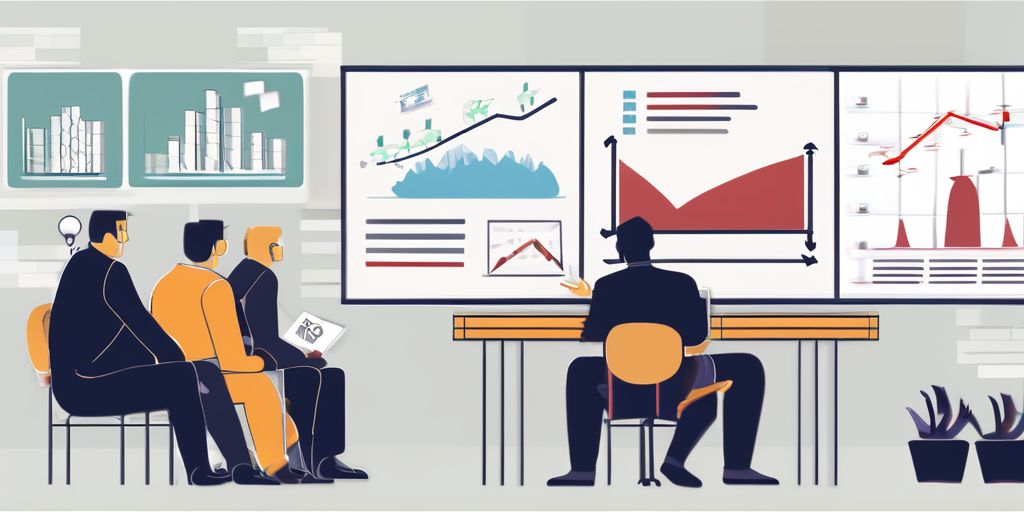
In my career journey, I’ve found that analytical thinking is a cornerstone of professional success. It’s about dissecting complex issues, identifying patterns, and drawing insightful conclusions. The ability to think analytically empowers you to make data-driven decisions, which is crucial in a world where AI and technology are reshaping how we work.
- Consider all aspects of a problem
- Describe the problem in detail
- Think of several possible solutions and brainstorm them
- Decide which is the best
Analytical thinking is not just about finding a solution, but about understanding the ‘why’ and ‘how’ behind each problem. It’s a skill that allows you to navigate through challenges with a clear, logical approach.
Whether you’re troubleshooting a technical issue or strategizing for a project, honing your analytical skills can significantly enhance your ability to perform and innovate. It’s a skill that’s highly sought after across industries, and one that you can continuously improve through practice and experience.
3. Problem Solving

In my career journey, I’ve learned that problem solving is not a binary skill that you either possess or lack, but rather a dynamic set of competencies that can be developed and honed. A proficient problem solver is someone who can analyze all aspects of a situation, articulate the problem clearly, and brainstorm multiple solutions before deciding on the best course of action.
To effectively tackle problems, it’s crucial to break them down into manageable parts. This systematic approach prevents feeling overwhelmed and facilitates finding the optimal solution.
Here are some steps I follow to enhance my problem-solving skills:
- Define the problem in detail.
- Generate a list of potential solutions.
- Evaluate the pros and cons of each solution.
- Choose the most viable solution.
- Implement the solution and monitor its effectiveness.
By consistently applying these steps, I’ve been able to approach problems with confidence and creativity, ensuring that I’m always part of the solution rather than the problem.
4. Adaptability

In my career journey, I’ve learned that adaptability is not just a skill, it’s a mindset. It’s about being open to new experiences and willing to step outside my comfort zone. To enhance my adaptability, I focus on three key practices: being a better listener, asking insightful questions, and embracing the learning opportunities that come from making mistakes.
Embracing change is essential in today’s fast-paced work environment. By staying flexible and managing my goals despite shifting circumstances, I ensure that I remain relevant and valuable in any professional setting.
Here are some steps I’ve taken to improve my adaptability:
- Actively seek out new challenges to test my ability to adapt.
- Reflect on past experiences to identify how I’ve successfully managed change.
- Cultivate a positive attitude towards unexpected situations.
By integrating these practices into my daily routine, I’ve noticed a significant improvement in how I handle change and uncertainty. It’s a continuous process, but one that is undoubtedly rewarding.
5. Collaboration

In the realm of career advancement, collaboration stands out as a cornerstone for success. It’s the glue that binds the collective intelligence of a team, allowing for innovation and enhanced productivity. I’ve learned that to truly excel, one must not only be a team player but also foster an environment where collaboration thrives.
Respect and open communication are pivotal to effective collaboration. Here’s how I contribute to a collaborative team environment:
- I ensure to actively listen and understand the perspectives of my teammates.
- I communicate my ideas clearly and respectfully, valuing the input of others.
- I adapt to the needs of the team, showing flexibility in my approach.
- I offer support and encouragement, recognizing the efforts of my colleagues.
- I empathize with others, which helps in building strong, trust-based relationships.
Collaboration isn’t just about working together; it’s about bringing out the best in each other to achieve a common goal. It’s about creating a space where everyone feels valued and empowered to contribute their best.
By embracing these practices, I’ve seen firsthand how a collaborative spirit can lead to remarkable outcomes. It’s not just about the individual; it’s about the collective power of a group working in harmony towards shared objectives.
6. Emotional Intelligence

Understanding and managing my own emotions, as well as recognizing the emotions of others, is a cornerstone of emotional intelligence. It’s about more than just feeling; it’s about using empathy and self-awareness to foster a positive work environment and build strong relationships. Being emotionally intelligent allows me to navigate social complexities with ease, ensuring that I can motivate and inspire my colleagues while also managing conflicts effectively.
Emotional intelligence is pivotal in shaping not just individual interactions but also the overarching culture and values within a company.
Here are some key components of emotional intelligence:
- Self-awareness: Recognizing my own emotions and their impact
- Self-regulation: Managing my emotions constructively
- Motivation: Harnessing emotions to drive towards goals
- Empathy: Understanding the feelings of others
- Social skills: Building and managing relationships
7. Creativity

In my career journey, I’ve learned that creativity is not just about art; it’s a business imperative. It’s the ability to view challenges from unique perspectives and devise innovative solutions. For example, when faced with a complex problem, I tap into my creative thinking to brainstorm multiple approaches, considering ideas that might initially seem unconventional.
To cultivate creativity, I engage in activities that stimulate my imagination. Here’s a simple list of actions I’ve found effective:
- Participate in diverse workshops to expand my skill set.
- Collaborate with colleagues from different departments for fresh insights.
- Dedicate time to personal projects that fuel my passion and creativity.
Creativity in the workplace is about being open to new ideas and valuing the diversity of thought. It’s a skill that empowers me to contribute to my team’s resilience and innovation.
Moreover, I’ve observed that creativity is not a solo endeavor. It thrives in environments where teamwork and open communication are encouraged. By fostering a culture where every team member feels comfortable sharing their ideas, we pave the way for collective creativity and, ultimately, groundbreaking achievements.
8. Time Management

Mastering time management is a pivotal skill that can make or break my career success. Being able to prioritize tasks and adhere to schedules is crucial for staying productive and meeting deadlines. Here’s a simple strategy I’ve found effective:
- Decide what I want to accomplish each day or week.
- Organize tasks by priority.
- Keep a meticulous record on a calendar.
- Develop the skill to accurately estimate the time needed for tasks.
- Respect and follow the schedule I’ve set.
It’s not just about working hard but also working smart. Procrastination and distractions, like social media, can derail even the best-laid plans. By staying focused and using time wisely, I ensure that every hour counts towards my goals.
Understanding that time is a finite resource has led me to value it more. I’ve learned that effective time management is less about filling every moment with work and more about ensuring the quality and relevance of what I do with that time.
9. Leadership

As I navigate my career, I’ve come to understand that leadership is not just about being in charge, but about guiding and inspiring others to achieve a common goal. Effective leaders are the architects of their team’s success, shaping the path forward with vision and integrity. They are not just decision-makers but role models who lead by example, demonstrating the values they wish to instill in their teams.
- Self-Improvement: Continuously seeking personal growth and knowledge to lead effectively.
- Relationship Building: Investing time in developing strong connections with team members and stakeholders.
- Ethical Decision-Making: Upholding moral standards and acting with social responsibility.
Leadership is a journey of constant learning and adaptation. It requires a commitment to not only drive results but to nurture and empower those around you.
In the realm of leadership, delegation is key. It’s about entrusting tasks and fostering accountability, allowing me to focus on strategic goals while my team grows in autonomy and expertise. Empathy is another cornerstone, creating an environment where everyone feels valued and understood, which in turn fuels collaboration and innovation.
10. Work Ethic

A strong work ethic is the backbone of a successful career. It’s about showing up, not just physically, but with a mindset geared towards excellence. Taking ownership of my tasks is a principle I live by; it’s not just about completing duties, but doing so with a commitment to quality and timeliness. This self-sufficient nature is what makes me a reliable asset to any team.
Positive attitude and resilience are key components of a robust work ethic. I strive to maintain optimism even in challenging situations, looking for opportunities rather than obstacles. This approach not only enhances my drive to work but also contributes positively to the team’s morale and the company’s culture.
Adaptability is also a part of a strong work ethic. Being willing to learn and keep up with industry changes is essential in today’s fast-paced environment.
Here are a few ways I boost my adaptability:
- Stepping out of my comfort zone
- Being a better listener
- Asking questions to understand new perspectives
Remember, a work ethic is not just about what you do, but how you do it. It’s the quality, the attitude, and the responsibility that set the foundation for success.
11. Interpersonal Skills

Interpersonal skills are the oil that keeps the engine of the workplace running smoothly. They encompass the ability to interact effectively with colleagues, clients, and stakeholders. Good interpersonal skills can elevate your professional relationships and open doors to opportunities that might otherwise remain closed.
One of the most critical aspects of interpersonal skills is active listening. It’s not just about hearing what’s being said, but also understanding the intent behind the words and responding thoughtfully. Here’s a simple list to enhance your active listening:
- Maintain eye contact
- Nod and show understanding
- Ask clarifying questions
- Paraphrase to show comprehension
- Avoid interrupting the speaker
Remember, interpersonal skills are not just about talking; they’re about connecting with others on a deeper level. It’s about building trust and rapport, which are essential for effective teamwork and collaboration.
Whether you’re working in a traditional office setting or navigating the complexities of remote work, your ability to communicate clearly across various mediums—be it email, video, or in-person—is crucial. By honing these skills, you set yourself up for a successful and fulfilling career.
12. Resilience

In my career journey, I’ve learned that resilience is not just about bouncing back from setbacks; it’s about growing from them. It’s the grit that keeps me pushing forward when faced with challenges, and it’s a skill that has been invaluable in every role I’ve held.
Resilience is about maintaining a positive outlook and motivating not just myself but also my team to persist through difficult times. Here are a few strategies I’ve found effective in building resilience:
- Embrace change and view challenges as opportunities for growth.
- Develop a strong support network of colleagues and mentors.
- Set realistic goals and celebrate small victories along the way.
Resilience is the silent guardian of my career. It’s the quiet strength that whispers, "Try again tomorrow," after a tough day. Cultivating this skill has allowed me to thrive in environments that are constantly evolving and has taught me the importance of adaptability and perseverance.
13. Conflict Resolution

In my career, I’ve learned that conflict resolution is a pivotal skill that can make or break team dynamics. Navigating disagreements effectively is crucial for maintaining a positive work environment and ensuring projects stay on track. Here’s a simple approach I’ve found useful:
- Identify the root cause of the conflict.
- Listen actively to all parties involved.
- Communicate your understanding of the issues.
- Propose solutions that address everyone’s concerns.
- Negotiate a compromise that is acceptable to all.
- Follow up to ensure the resolution is implemented and effective.
Remember, the goal isn’t to win the argument, but to find a solution that works for everyone involved. It’s about fostering respect and understanding, even when opinions differ.
Conflict resolution isn’t just about the immediate issue at hand; it’s about building a foundation of trust and collaboration that will benefit future interactions. By honing this skill, I’ve been able to contribute to a more harmonious and productive workplace.
14. Critical Thinking

In my career, I’ve learned that critical thinking is not just about solving problems, but about analyzing facts to reach a well-informed conclusion. It’s a skill that allows me to dissect complex issues, understand the underlying factors, and make decisions that are both logical and creative. Here’s how I approach it:
- Describe the problem in detail
- Think of several possible solutions and brainstorm them
- Decide which is the best solution
- Consider risk management and the potential rewards
Critical thinking is about being curious, asking questions, and not taking things at face value. It’s about being skeptical of easy answers and willing to put in the work to find the best solution.
The ability to think critically is especially crucial in today’s fast-paced work environment, where AI and automation are augmenting traditional roles. Without it, one might struggle to keep up with the rapid decision-making required to prevent workflow roadblocks. It’s not just about the data analysis; it’s about the synthesis of information and the application of knowledge in a way that is innovative and effective.
15. Teamwork

In my career, I’ve learned that teamwork is the bedrock of success in any industry. It’s not just about working alongside others; it’s about creating a symphony of skills where each member plays a vital part. Here’s how I contribute to effective teamwork:
- Be attentive to what others are saying
- Communicate clearly and concisely
- Respectfully express your opinions
- Embrace adaptability as a key to overcoming challenges
- Offer support to team members
- Practice empathy to understand different perspectives
By playing my part diligently, I not only fulfill my role but also have the opportunity to learn from my peers, fostering a culture of continuous improvement.
It’s crucial to remember that a team’s strength lies in its unity and the collective ability to problem-solve. When we work together harmoniously, workflows and handovers go smoothly, everyone performs at their best, and deadlines are met with high-quality work. This collaborative spirit is what propels us forward and makes our collective efforts rewarding.
16. Attention to Detail

In my career, I’ve found that a keen attention to detail is not just about catching typos or calculating figures accurately; it’s about recognizing the subtleties that can make or break a project. It’s the meticulous scrutiny that turns good work into exceptional work.
For instance, in quality assurance roles, attention to detail is paramount:
- Ensuring seamless User Interface (UI) and User Experience (UX)
- Finding and fixing errors, bugs, and redundancies
- Confirming logical flow
- Anticipating and fixing unexpected software flaws
Attention to detail can be the difference between a product that satisfies and one that delights. It’s about going beyond the expected to deliver something truly remarkable.
This skill extends beyond technical roles; it’s crucial in conflict resolution, where noticing the nuances in communication can lead to a deeper understanding and a more effective resolution. Whether you’re editing a document or analyzing data, the ability to notice what others might overlook is a powerful tool in your professional arsenal.
17. Self-Motivation

Self-motivation is the fuel that drives me to achieve my goals, even when the going gets tough. It’s about finding that inner spark to push forward, regardless of obstacles. Maintaining a positive attitude is crucial; it not only enhances my drive to work but also allows me to interact effectively with others, contributing to a better work environment.
Self-motivation is not just about the big achievements; it’s also about the small, daily actions that lead to success.
Understanding my strengths, weaknesses, and preferences is essential for personal and professional growth. I use self-assessment tools to gain insight into my abilities and align my career path with my passions. Here’s a simple list to keep the self-motivation engine running:
- Engage in self-reflection and evaluation regularly.
- Set specific, measurable goals for personal development.
- Seek out new experiences and projects to expand my capabilities.
- Stay optimistic and look for opportunities in challenging situations.
By following these steps, I ensure that I am continuously moving towards a more fulfilling and purposeful career.
18. Empathy

Empathy is the soft skill that allows us to understand and share the feelings of others, a cornerstone of effective interpersonal relationships. It’s about being attuned to the emotions of those around us and responding with compassion and understanding. Empathy is not just about being nice; it’s a powerful tool for building trust and fostering collaboration.
In the workplace, empathy can manifest in various ways:
- Actively listening to colleagues without judgment
- Recognizing non-verbal cues and adjusting our approach accordingly
- Offering support during challenging times
- Celebrating successes with genuine happiness for others
Empathy enables us to navigate the complexities of human emotions in a professional setting, ensuring that we are not just efficient workers, but also compassionate colleagues and leaders.
By cultivating empathy, we can create a more inclusive and supportive work environment. It’s essential for leaders to lead with empathy, as it encourages a culture of openness and respect. Remember, empathy is a skill that can be developed over time with practice and mindfulness.
19. Flexibility

In today’s fast-paced work environment, flexibility is a cornerstone of success. It’s not just about bending with the wind; it’s about being open to new ideas and different perspectives. I’ve learned that being adaptable means more than just coping with change—it means thriving in it.
To enhance my flexibility, I follow a few key practices:
- Embrace change as an opportunity for growth.
- Stay curious and open-minded.
- Develop a ‘can-do’ attitude, even in the face of setbacks.
Flexibility isn’t just a skill, it’s a mindset. Cultivating it can transform challenges into stepping stones for advancement.
Remember, the ability to pivot and adjust your approach can make all the difference in your career. Whether it’s adapting to a new team dynamic, a shift in project direction, or even a career change, flexibility allows you to navigate the professional landscape with grace and resilience.
20. Negotiation

Mastering the art of negotiation is a pivotal soft skill that can make or break deals and relationships in the professional world. Negotiation is not just about winning or losing; it’s about finding a mutually beneficial solution. It’s a delicate dance of give and take, requiring a deep understanding of both your own and the other party’s needs and interests.
To enhance my negotiation skills, I focus on being fully present during discussions, asking clarifying questions, and learning techniques to navigate difficult conversations.
Here are a few key strategies I employ to improve my negotiation skills:
- Actively listen to understand the other party’s perspective.
- Prepare thoroughly, knowing my objectives and limits.
- Stay calm and composed, even under pressure.
- Aim for a win-win outcome that respects both sides’ interests.
By continually refining these tactics, I ensure that I’m equipped to handle negotiations with confidence and poise, striving for outcomes that are agreeable to all involved parties.
21. Decision Making

In my career, I’ve learned that decision making is not just about choosing between options; it’s about understanding the impact of each choice. It’s a blend of logic, analysis, and a dash of intuition. Here’s a simple process I follow to make decisions more effectively:
- Identify the problem clearly to understand what decision needs to be made.
- Gather information relevant to the problem from various sources.
- Consider alternatives by brainstorming different solutions.
- Weigh the consequences of each alternative, considering both short-term and long-term effects.
- Choose the best option based on the information and analysis conducted.
- Take action and implement the decision.
- Review the decision and its outcomes to learn and improve for the future.
Making decisions can be daunting, but breaking down the process into these steps can provide clarity and increase the likelihood of a positive outcome.
Remember, no decision is set in stone. Being open to feedback and willing to adjust your course of action is crucial. This adaptability can turn a good decision into a great one over time.
22. Stress Management

In my journey to enhance my career, I’ve learned that managing stress isn’t just about coping; it’s about thriving under pressure. Stress management is pivotal for maintaining both mental well-being and productivity. It’s about identifying what triggers stress in my life and developing strategies to handle it. For instance, setting realistic goals helps me to stay focused without becoming overwhelmed.
Adaptability plays a crucial role in stress management. Being flexible in my approach allows me to see various outcomes and adjust my plans accordingly. This mindset is essential for resilience in the face of challenges.
Here are some techniques I’ve found effective:
- Recognizing the signs of stress early on
- Establishing a routine that includes regular breaks
- Practicing mindfulness or meditation to stay grounded
- Seeking support from peers or mentors when needed
Embracing stress management is not just about avoiding burnout; it’s about setting the stage for continuous personal and professional growth.
23. Cultural Awareness

In today’s globalized world, cultural awareness is not just a nice-to-have, it’s a must-have. Understanding and respecting diverse cultures is a cornerstone of effective communication and collaboration in any multicultural environment. As I navigate through different cultural landscapes, I’ve learned that being culturally aware means more than just acknowledging differences; it involves actively educating oneself about various cultural practices and perspectives.
- Recognize and appreciate cultural diversity
- Educate yourself on cultural norms and values
- Engage in open and respectful dialogue
Embracing cultural diversity enriches our professional and personal lives, fostering innovation and creating a more inclusive world.
Cultural awareness goes beyond the workplace; it’s about creating a space where everyone feels valued and understood. It’s about building bridges, not walls, and it’s a skill that I continuously strive to improve. By doing so, I contribute to a positive and inclusive environment that benefits all.
24. Persuasion

Mastering the art of persuasion is a game-changer in any career. It’s not just about convincing others to see things your way; it’s about understanding their needs and aligning your objectives with theirs to create a win-win situation. Effective persuasion involves active listening, clear communication, and the strategic use of body language.
- To enhance your persuasive skills, consider the following steps:
- Actively listen to understand the perspective of others.
- Use clear and concise language to articulate your points.
- Employ positive body language to reinforce your message.
- Show empathy to build trust and rapport.
- Be patient and persistent without being pushy.
Remember, persuasion is not manipulation. It’s about mutual respect and finding common ground. The most persuasive individuals are those who can balance assertiveness with empathy, ensuring that all parties feel heard and valued.
25. Active Listening and more

Active listening is not just about being quiet while someone else talks; it’s about engaging fully and understanding the message being conveyed. It’s a skill that transforms good professionals into great ones, as it allows for better collaboration, understanding, and problem-solving. To hone your active listening, consider the following steps:
- Maintain eye contact to show engagement.
- Nod and provide non-verbal feedback.
- Paraphrase and summarize to ensure comprehension.
- Ask clarifying questions when necessary.
- Avoid interrupting the speaker.
Empathy plays a crucial role in active listening. By putting yourself in the speaker’s shoes, you can gain a deeper understanding of their perspective, which is invaluable in any professional setting. Remember, active listening is a practice that you can improve over time, and it’s well worth the effort.
By mastering active listening, you not only hear what’s being said, but you also understand the intent and emotions behind the words. This insight can be the difference between a satisfactory work relationship and an exceptional one.
Conclusion
A university education can be a great opportunity for developing important soft skills. Your only responsibility is to recognize that these skills are important and take part in activities that will enhance them. While still in school, you can use the top 10 skills listed above as your guide for taking your first career steps. The more confident you are after graduation, the easier it will be for you to find employment and become the person you want to be.
Frequently Asked Questions
What are soft skills and how do they differ from hard skills?
Soft skills are non-technical skills essential for most jobs, focusing on how you manage difficulties, interact with others, and demonstrate work ethic. In contrast, hard skills are specialized skills related to a specific profession, such as data analysis or language proficiency.
Why are soft skills important for career success?
Soft skills are crucial for career success as they enhance communication, teamwork, problem-solving, and adaptability. Employers value soft skills as they contribute to a positive work environment and effective collaboration.
How can university students develop soft skills?
University students can develop soft skills by participating in activities that enhance communication, leadership, time management, and interpersonal skills. Engaging in group projects, internships, and extracurricular activities can also help in honing soft skills.
What are some examples of essential soft skills for students?
Some essential soft skills for students include communication, analytical thinking, problem-solving, adaptability, collaboration, emotional intelligence, creativity, time management, leadership, work ethic, resilience, and more. These skills are valuable for academic success and future career prospects.
How do soft skills benefit recent graduates in their careers?
Soft skills benefit recent graduates by setting them apart from other applicants, demonstrating their ability to work well with others, handle challenges, and adapt to diverse work environments. Employers seek candidates with strong soft skills for their potential to contribute positively to the organization.
What is the importance of empathy as a soft skill?
Empathy is an important soft skill that allows individuals to understand and connect with others on an emotional level. It fosters effective communication, teamwork, and conflict resolution by promoting mutual respect and consideration for diverse perspectives. Employers value empathy in employees for its role in building strong relationships and enhancing workplace harmony.
How can students improve their active listening skills?
Students can improve their active listening skills by focusing on the speaker, maintaining eye contact, avoiding interruptions, asking clarifying questions, and summarizing key points. Practicing active listening in academic settings, group discussions, and professional interactions can enhance understanding, empathy, and collaboration.
Why is resilience considered a valuable soft skill in the workplace?
Resilience is considered a valuable soft skill in the workplace because it enables individuals to bounce back from setbacks, adapt to change, and maintain a positive attitude in challenging situations. Resilient employees demonstrate perseverance, flexibility, and problem-solving abilities, contributing to their professional growth and success.
Leave a Reply